PREMIUM 1.4112 Steel
X90CrMoV18

BS 1.4112

PREMIUM 1.4112 Steel
X90CrMoV18

X90CrMoV18

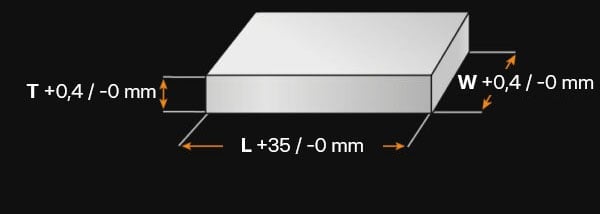
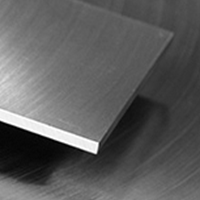
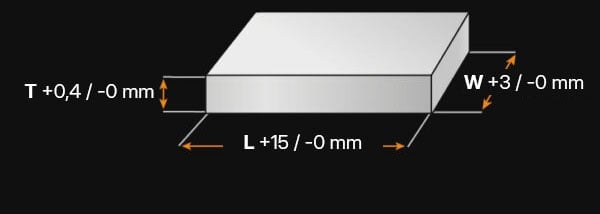
Precision flat steel without machining allowance [PFS]

- flat -
Toleranzen.png

Precision flat steel with machining allowance [PFS/BA]

- flat -
Toleranzen.png

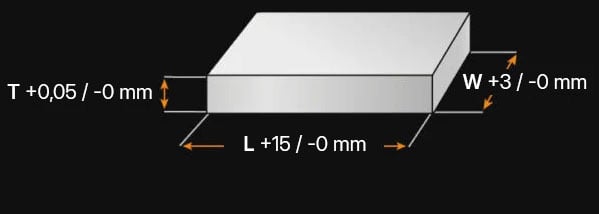
Hart-Präz® [Hart]

- flat -
Toleranzen.png

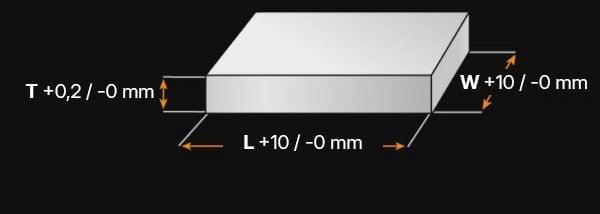
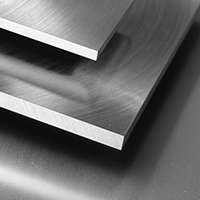
€co-Präz® with machining allowance
[€co/BA]

- flat -
Toleranzen-1.png

€co-Präz® without machining allowance
[€co]

- flat -
Toleranzen-1.png

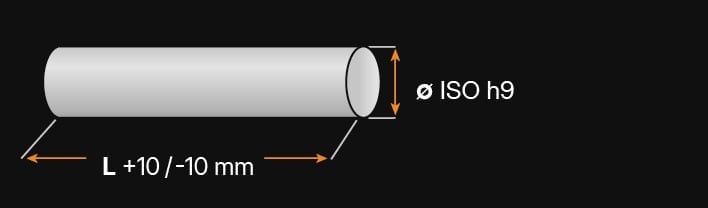
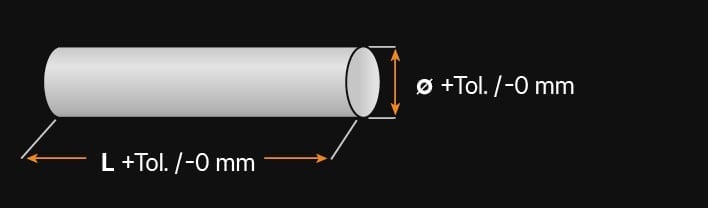
Precision round steel without machining allowance [PRS]

- round -
Toleranzen.png

Precision round steel with machining allowance [PRS/BA]

- round -
Toleranzen.png

1.4112  - AT A GLANCE

What kind of steel is the 1.4112?

Stainless steel 1.4112 (X90CrMoV18) is hardenable with a high chemical resistance, good polishability, good cutting edge retention and cutting performance. In some aspects the 1.4112 exhibits similar behavior to tool steel. It is corrosion resistant in mild atmospheres, organic materials, mild acidic environments and fresh water steam.

Properties

Stainless steel 1.4112 has a good balance of corrosion resistance, toughness, durability and aesthetic appeal. It is wide spread over various different industries. Its service life, aesthetic appeal and corrosion resistance can be enhanced  with a wide variety of surface treatments. All the former mentioned attributes make it possible to use this steel grade in a wide array of challenging environments.

  • Stainless, martensitic chromium steel
  • High chemical resistance
  • High hardness
  • High wear resistance
  • Suitable as knife steel
  • Can be magnetized
  • Can be polished to a mirror finish
  • High corrosion resistance

Applications

THe 1.4112 stainless steel is frequently used for plastic processing and for chemically aggressive molding materials. It can be used to produce surgical and dental instruments as it can be sterilized without the deterioration of the steel.

  • Cutting tools, knives
  • Knife blades
  • Cutlery
  • Guide rails
  • Wear parts
  • Perforated discs
  • Screw elements
  • Pump shafts
  • Scale pans
  • Horizontal cutting
  • Surgical instruments
  • Plastic molds
  • Injection nozzles
  • Roller bearings
  • Ball bearings
  • Mechanical engineering
  • Food industry
  • Building industry

1.4112 Standard values

Chemical composition:

C Si Mn P S Cr Mo V
0.85 - 0.95 0 - 1.0 0 - 1.0 0 - 0.04 0 - 0.015 17.0 - 19.0 0.9 - 1.3 0.07 - 0.12

Chemical designation:
X90CrMoV18

Working hardness:
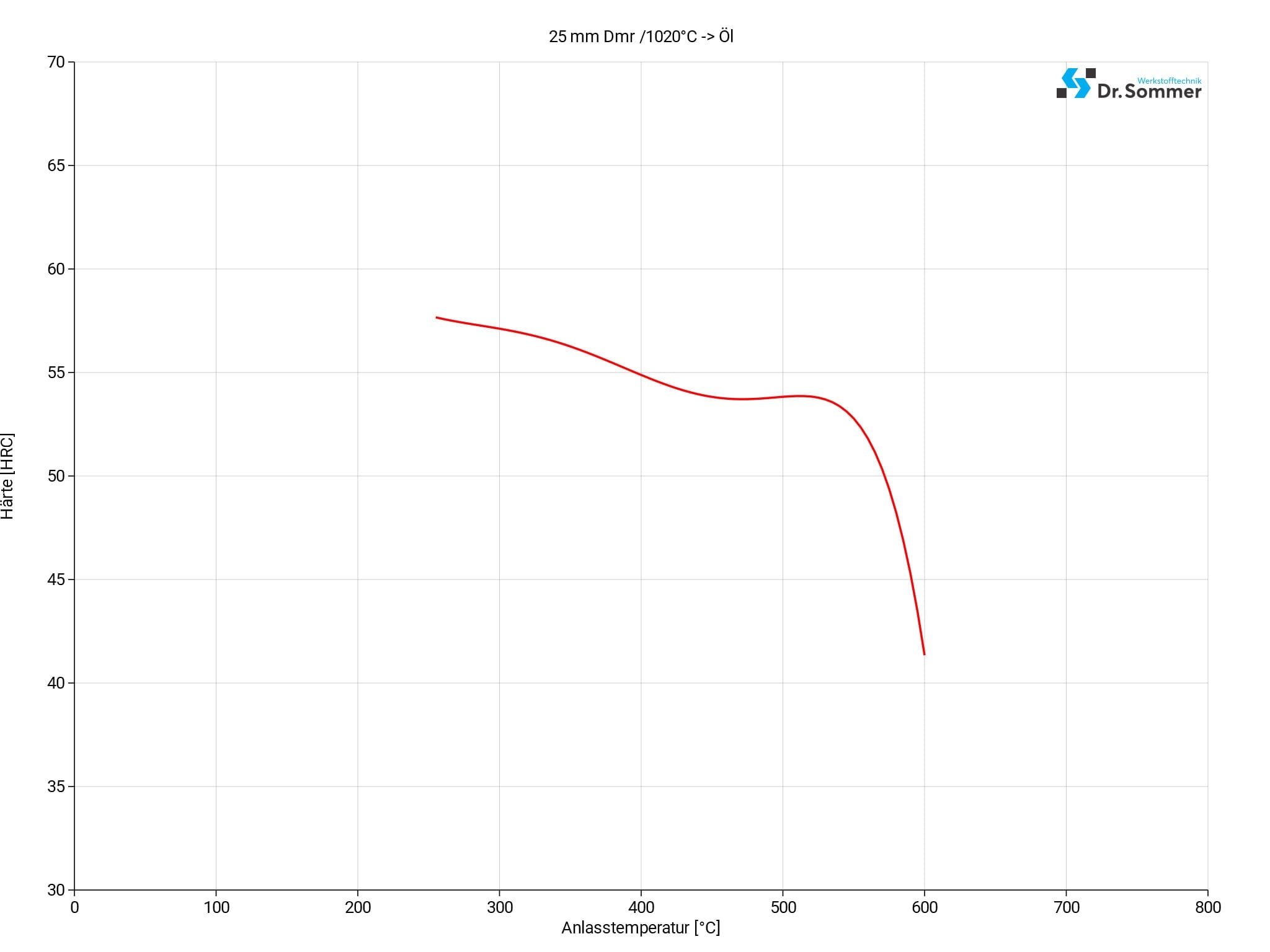
53-58 HRC

Delivery condition:
max. 265 HB

1.4112 Physical properties

  • Martensitic stainless steel
  • Cold work steel
  • Platic mould steel
  • Stainless steel, corrosion resistant
  • Stainless steel, acid resistant

Yes, the 1.4112 is a stainless steel with a mass fraction between 17 – 19 % of chromium.

The corrosion resistance of the 1.4112 is similar to 1.4006. It is resistant to a wide range of petroleum products, organic materials, fresh water and steam. For maximum corrosion resistance, all surfaces should be free of foreign particles, lubricants, other coatings and deposits. Workpieces should be cleaned and/or passivated after manufacture.

Yes, the 1.4112 belongs to a magnetisable group of stainless steel. Machines with magnetic adhesion can be used for grinding, milling or erosion, for example.

Erhitzen Sie das Material auf eine Temperatur von 760 – 816 °C und erhitzen Sie es dann langsam und gleichmäßig weiter auf 1038 – 1777 °C. Lassen Sie die Temperatur nicht unter 927 °C fallen und erhitzen Sie das Werkstück bei Bedarf erneut. Zum Abschluss kühlen Sie das 1.4412 Material im Ofen, in trockenem Kalk oder Asche ab und lassen die Temperatur des Werkstücks auf Umgebungstemperatur absinken, bevor Sie es glühen.

1.4112 exhibits moderate cold formability when annealed to maximum softness. As the material is sensitive to surface decarburisation, the use of a protective atmosphere should be considered during the heat treatment of finished workpieces.

On a scale where 1 is low and 6 is high the 1.4112 receives a 6.

1.4112 Technical properties

With a lower carbon content than other stainless steels, the 1.4112 material is very easy to sharpen as it is softer but not as sharp. However, it still offers a good balance between toughness, corrosion resistance and sharpness. Its corrosion resistance in wet and acidic environments makes it suitable for the manufacture of kitchen and diving knives.

The working hardness for stainless steel 1.4112 is aprox. 53 – 58 HRC.

At room temperature the density for the 1.4112 is at 7,7 g/cm3.

The tensile strength for the stainless steel 1.4112 at approx. 925 N/mm2. This value is the result of a tensile test that shows how much force is required before the material begins to stretch or deform before it breaks.

On a scale where 1 is low and 6 is high stainless steel 1.4112 receives a 2 for its machinability.

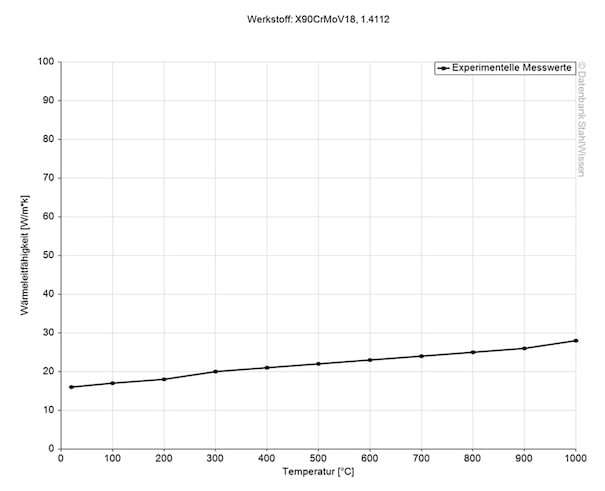
The heat conductivity for the 1.4112 at room temperature is 15,9 W/(m*K).

Heat conductivity

Value W/(m*K)

At a temperature

15.9

20 °C

20.6

350 °C

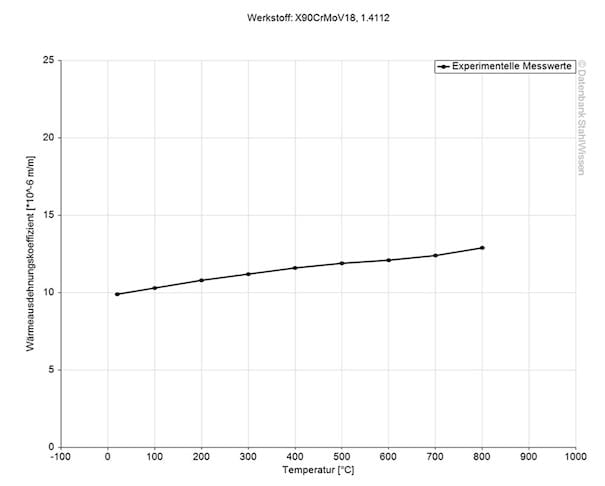
The following table shows the expansion or contraction at different temperatures, which can be very important for work at high temperatures or with significant temperature fluctuations.

Medium thermal expansion coefficient

Value 10-6m/(m*K)

At a temperature of

10.3

20 – 100°C

10.8

20 – 200°C

11.2

20 – 300°C

11.6

20 – 400°C

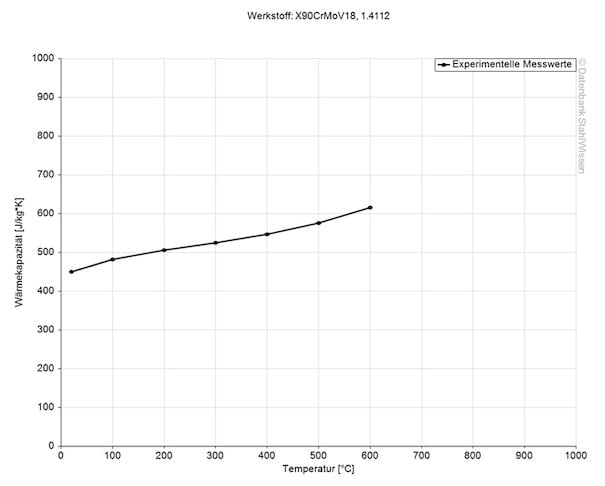
The specific heat capacity for stainless steel 1.4104 at room temperature is 0,46 J/kg*K. This value indicates how much heat is required to heat a certain amount of material by 1 Kelvin.

The specific electrical resistance can be found in the following table. Electrical conductivity is the reciprocal of specific resistance.

Specific electrical resistance

Value (Ohm*mm2)/m

At a temperature of

~ 0.8

~ 20 °C

CORROSION RESISTANT AND HARDENABLE UP TO 58 HRC – BS 1.4112!

1.4112 Procedure

Heat the material to a temperature range of 843 – 871 °C, then cool the material down slowly in the furnace.

Heat the workpieces evenly to a temperature of 650 °C and hold the temperature for 1 to 2 hours in neutral air. To finish this process let the material cool it slowly in the furnace.

Evenly heat the work pieces to a temperature of 150 – 175 °C and soak it at this temperature for at leat 1 hour to eliminate any stress peaks while maintaining maximum hardness.

Heat the 1.4112 to a temperature range of 1000 – 1080 °C and let it soak. Care has to be taken so the material does not overheat as it would not be able to reach its full hardness.

The quenching medium used depends on the desired end properties that need to be achieved. Water is not normally used to quench this material, as thermal shock can cause cracking or deformation. Below are some quenching media that are normally used for 1.4112.

  • Oil, preheated
  • air
  • Hot bath (500 – 550 °C)
  • Compressed gas (N2)

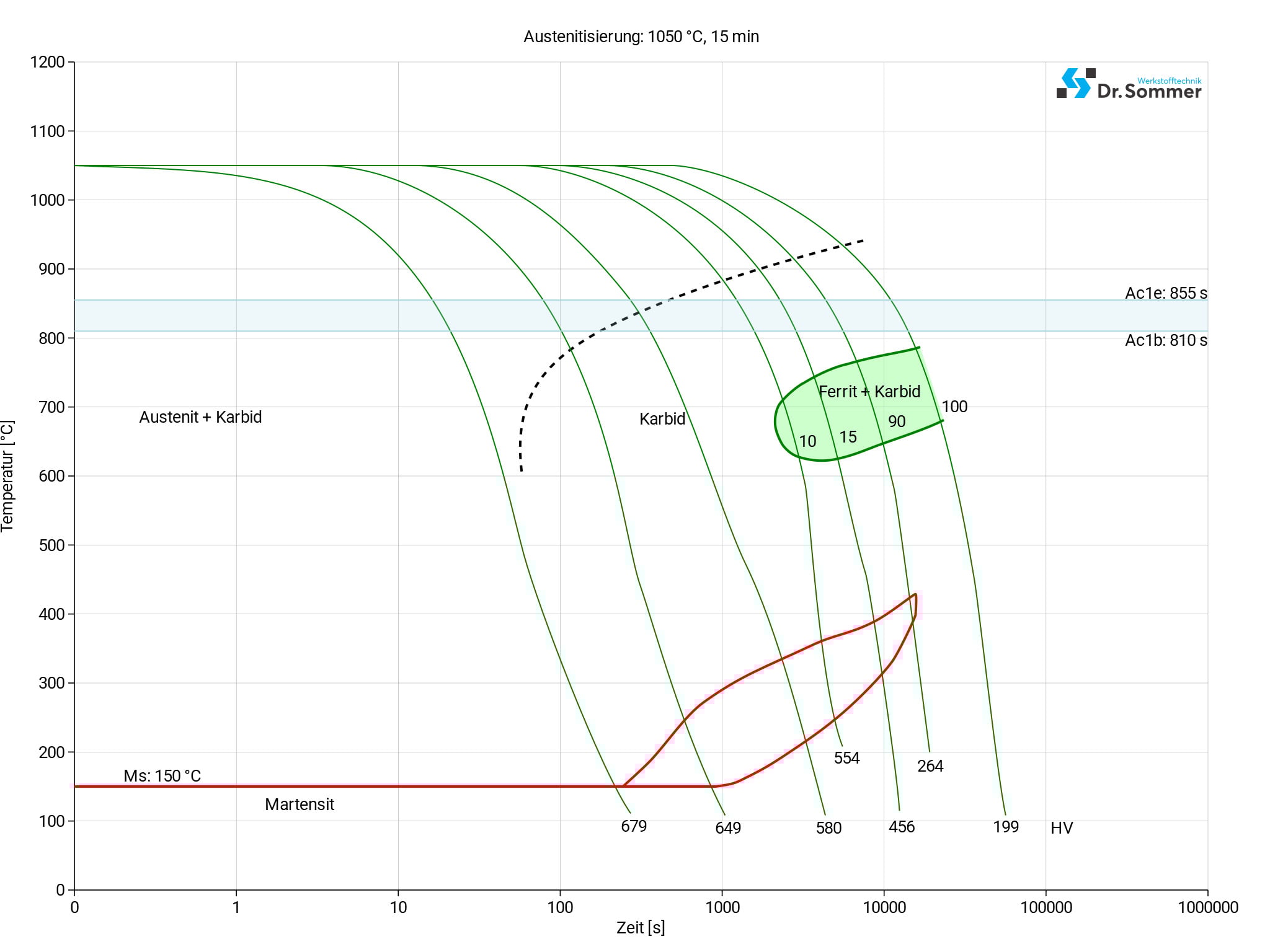
This diagram shows micro-changes over time at different temperatures. These are important in heat treatment because they provide information about the optimal conditions for processes such as hardening, annealing and normalising.

1.4112 Surface treatment

The surface treatment of 1.4112 offers advantages such as a longer service life, improved performance, corrosion resistance and enhanced visual appeal of workpieces made from this steel grade.
Below are some examples of surface treatments that can be applied to 1.4112 workpieces.

Nitriding diffuses nitrogen into the surface of the material and lends it a harder and more wear resistant surface. This can improve the service life and corrosion resistance.

This process removes free iron from the surface using nitric or citric acid and applies a protective oxide layer to the material that can prevent rust and other forms of corrosion when this material is exposed to a corrosive environment.

This is a surface treatment that can improve corrosion resistance, but is often used for aesthetic reasons as it provides a black-blue finish that reduces light reflection from the surface.

Both PVD (Physical Vapor Deposition) and CVD (Chemical Vapor Deposition) coatings apply a thin layer to the material surface that can increase wear resistance or reduce friction.

  • PVD – physical vapor deposition
  • CVD – chemical vapor deposition

Abrasive particles such as glass or ceramic beads are blasted against the surface to remove contaminants such as rust, paint or scale and achieve a uniform matt finish. It makes the surface more resistant and can prevent fatigue and stress corrosion damage.

For some applications grinding and polishing is a very important step. A high-quality surface finish contributes to corrosion resistance in applications such as cutlery, for example. However, care must be taken not to overheat the workpieces, as this would reduce their corrosion resistance.

1.4112 Processing

Due to its high carbon content, 1.4112 is similar to high-speed steel to a certain extent. As the chips are tough and elastic, chip breakers should be used. To achieve the best results, this material should be machined in a soft-annealed condition.

Eroding can be used to achieve various surface finishes, but it is mainly used to produce complicated shapes, small details and complex geometries in hard materials. When selecting the electrodes, dielectric fluid and cutting speed, the surface quality and subsequent application should be taken into account. Care should also be taken to minimise the areas affected by heat and to use the correct parameters when removing material.

Dimensional changes can result from various circumstances. Heating, cooling, phase changes or stress relief can all lead to dimensional changes. These can be minimised or avoided by controlled heating and cooling, stress relieving or by using devices that counteract the expansion or contraction of the material during heat treatment.

After quenching the material, the 1.4112 can be treated at sub-zero temperatures to convert residual austenite back into martensite. To ensure that all austenite is converted, the material should be held at the temperature for a period of time and then brought back to room temperature. When the material has reached room temperature, it is tempered as described above under ‘Tempering’.

Cryogenic treatment can increase hardness and wear resistance, improve toughness and give the material greater dimensional stability.

Heat the material slowly and evenly to a temperature of 1180 °C and take care not to overheat it as this may result in loss of ductility and toughness. A temperature under 1010 °C should be avoided and the forging should be brought back to temperature as needed. After forging workpieces are cooled down slowly in the furnace and directly after annealed. Cooling in air should be avoided as it may lead to cracking.

As this material grade hardens in air and has a high hardness it is usually not recommened for welding. If it is necessary to weld this material, similar consumables should be used to maintain the mechanical properties. Preheat the workpiece to a temperature of 260 °C and do not allow it to fall below this temperature at any time. Immediately after welding, the workpieces should be annealed for 6–8 hours at 732–760 °C. Do not allow the temperature to fall below 260 °C between welding the workpiece and annealing. After annealing, the workpiece should be cooled slowly in the furnace to prevent cracking.

Logo_Abrams_Ausrufezeichen.png
CORROSION RESISTANT AND HARDENABLE UP TO 58 HRC – BS 1.4112!

ALTERNATIVES

Are you looking for an alternative steel grade?

With the ABRAMS STEEL GUIDE®, you are able to obtain an alternative or equvelent with just a few clicks.

DATASHEET

Download the technical data sheet in PDF format here.

Messe.png

SERVICES

Do you require special dimensions?


Our services for you: water jet cutting, sawing, milling and grinding.

richtwerte-2.png

Standard values

Chemical designation: X90CrMoV18
Working hardness: 53-58 HRC
Delivery condition: maximum 265 HB
Chemical composition:
C Si Mn P S Cr Mo V
0.85

0.95
0

1.0
0

1.0
0

0.04
0

0.015
17.0

19.0
0.9

1.3
0.07

0.12
technical-info.png

Technical properties

Corrosion resistant martensitic chrome-steel (approx. 18% Cr) for cold work. Reaches an unusually high hardness and high wear resistance after heat treatment. High gloss polishable and conditionally acid resistant.

anwendungen.png

Applications

Cutting tools, knives, knife blades, cutlery, guide rails, wear parts, perforated discs, screw elements, pump shafts, scale pans, horizontal cutting, surgical instruments, plastic moulds, injection nozzles, roller bearings, ball bearings, mechanical engineering, food industry, building industry.

70 STEEL GRADES IN 32.895 DIMENSIONS

EX WORKS FROM OSNABRÜCK

DELIVERY IN 3-5 WORKING DAYS (SUBJECT TO AVAILABILITY)

WITHOUT MINIMUM ORDER VALUE OR QUANTITY

FROM EUROPE'S LARGEST RANGE OF SEMI-FINISHED PRODUCTS

SPECIAL CUSTOM DIMENSIONS SAWN - MILLED - GROUND

Select Your Country / Language

Do you have any questions?

If you have any comments or questions regarding ABRAMS PREMIUM STEEL® products or this website, please do not hesitate to contact us.

Please feel free to call us at any time:

T: +44 121 368 0910

or send us an E-mail to:

[email protected]

If you have any comments or questions regarding ABRAMS PREMIUM STEEL® products or this website, please do not hesitate to contact us.

Please feel free to call us at any time: